Table of Contents
A Modern Approach to Dental Care
If you’ve ever had a filling, crown, or other dental restoration, you probably know the process often involves drilling away healthy tooth structure to make room for the repair. Traditional dentistry has long relied on this approach, but it can leave teeth weaker and more vulnerable to future damage. At Kootenai Family Dentistry in Libby, MT, Dr. Kalene Colwell and our dental team take a different approach called biomimetic dentistry.
This advanced technique focuses on preserving as much of your natural tooth as possible while repairing only the damaged areas. The goal is to mimic the tooth’s original structure, strength, and function so it looks, feels, and performs just like it did before decay or injury.
What Is Biomimetic Dentistry?
“Biomimetic” combines two words: “bio,” meaning life, and “mimetic,” meaning to imitate. In dentistry, it means restoring teeth in a way that replicates their natural form and function as closely as possible. Rather than cutting away large portions of the tooth to place a crown or large filling, biomimetic dentistry uses precise, layered bonding techniques to rebuild the tooth piece by piece.
This approach isn’t just about aesthetics. By closely copying the way natural teeth flex, absorb pressure, and seal against bacteria, biomimetic restorations are often stronger, longer-lasting, and more comfortable than traditional options.
Why Traditional Dentistry Often Falls Short
In conventional dentistry, the most common approach to treating decay or fractures involves removing a significant portion of the tooth — even healthy tissue — to make room for a restoration. While effective in the short term, this process can compromise the tooth’s long-term strength.
For example, a traditional dental crown may require removing up to 75% of the tooth’s structure. This leaves the tooth more vulnerable to fractures, root canal needs, and eventual extraction. Even large fillings can lead to microcracks that grow over time.
Biomimetic dentistry solves this problem by focusing on conservation and reinforcement. By bonding materials in layers that mimic natural enamel and dentin, the tooth retains more of its original structure and strength.
The Benefits of Biomimetic Dentistry
Patients often notice several advantages after choosing biomimetic treatments over conventional methods:
1. More Natural Tooth Preservation
Preserving your natural tooth structure is the best way to maintain oral health. Biomimetic techniques remove only the damaged or decayed areas, leaving the rest of the tooth intact and stronger.
2. Better Long-Term Results
By closely mimicking the way teeth flex and absorb pressure, biomimetic restorations tend to last longer and resist cracking or leaking. Many patients enjoy results that last significantly longer than traditional fillings or crowns.
3. Less Post-Treatment Sensitivity
Because the internal layers of the tooth are preserved and better sealed, most patients experience minimal sensitivity after treatment compared to traditional restorations.
4. Fewer Root Canals and Extractions
Weaker teeth are more prone to fractures and nerve damage. By reinforcing your natural structure, biomimetic dentistry reduces the risk of future complications, including root canal therapy and tooth loss.
5. A Natural Look and Feel
Biomimetic restorations are designed to behave like real teeth, not just look like them. They respond naturally to pressure and temperature, making them feel more comfortable and functional.
What Procedures Use Biomimetic Techniques?
Biomimetic dentistry isn’t a single procedure. It’s a philosophy that shapes how many restorative treatments are performed. Some common examples include:
- Tooth-colored fillings: These use advanced bonding techniques to restore small to moderate cavities with maximum tooth preservation.
- Inlays and onlays: These partial restorations strengthen damaged teeth without requiring a full crown.
- Fracture repair: Biomimetic bonding can restore cracked teeth without extensive drilling or removal.
- Crown alternatives: In some cases, biomimetic methods can eliminate the need for a crown entirely.
What to Expect During a Biomimetic Dentistry Appointment
One of the best parts of biomimetic treatment is that the patient experience is often more comfortable and straightforward than traditional methods. Here’s what you can expect when you visit Kootenai Family Dentistry:
1. Comprehensive Evaluation
Dr. Kalene Colwell will begin with a thorough examination and diagnostic imaging to understand the condition of your tooth and determine if a biomimetic approach is right for you.
2. Minimal Preparation
Only the damaged or decayed portions of the tooth are removed. The goal is always to preserve as much of your natural structure as possible.
3. Layered Bonding Process
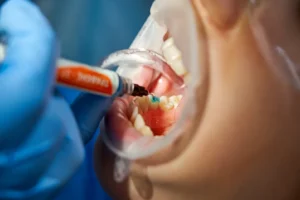
Advanced bonding materials are applied in layers, each mimicking a specific part of the tooth’s structure. This technique strengthens the tooth while sealing it tightly against bacteria.
4. Shaping and Polishing
The final restoration is shaped to match your natural bite and polished for a seamless look and feel.
5. Post-Treatment Care
Most patients return to normal eating and brushing habits immediately. Regular checkups help ensure your restoration remains strong and healthy.
Who Is a Good Candidate for Biomimetic Dentistry?
Most people who need restorative dental work are candidates for a biomimetic approach. This includes patients who have:
- Cavities or tooth decay
- Cracked or chipped teeth
- Previous restorations that have failed
- Sensitivity or structural weakness in a tooth
- A desire to avoid aggressive drilling or root canals
If you’re unsure whether biomimetic dentistry is right for you, Dr. Kalene Colwell and the Kootenai Family Dentistry team will guide you through all available options during your visit.
How Biomimetic Dentistry Helps Avoid Root Canals
One of the most exciting advantages of biomimetic dentistry is its potential to prevent root canals. Because this approach focuses on preserving the inner layers of the tooth and maintaining pulp vitality, many teeth that might have needed root canal therapy with traditional treatment can instead be saved through conservative bonding.
To learn more about how this works, visit our upcoming post: [Can Biomimetic Dentistry Help You Avoid Root Canals and Crowns? (link placeholder)]
How Much Does Biomimetic Dentistry Cost?
The cost of biomimetic treatments varies based on the extent of damage and the type of restoration. While the upfront cost may be slightly higher than traditional fillings, the long-term savings can be significant. Because biomimetic restorations often last longer and prevent future complications, many patients find them to be a better long-term investment.
Our team will provide a detailed cost estimate before treatment and help you explore insurance and payment options.
Why Choose Kootenai Family Dentistry for Biomimetic Dentistry?
Dr. Kalene Colwell has advanced training in biomimetic techniques and a deep commitment to patient-focused care. We believe in using modern, evidence-based methods to protect your natural teeth and improve your oral health for years to come. Patients from across Libby, MT trust our team for personalized, gentle care that prioritizes long-term results.
Taking the Next Step Toward Stronger, Healthier Teeth
Biomimetic dentistry represents a new era in restorative dental care. It’s about more than just fixing teeth — it’s about preserving what nature gave you and enhancing it with the best of modern science. If you’re ready to explore a more natural, lasting solution for your dental needs, schedule a consultation with Kootenai Family Dentistry today.
More About Biomimetic Dentistry:
- Biomimetic Dentistry vs. Traditional Dentistry
- 5 Reasons Biomimetic Fillings Are Better Than Traditional Restorations
- Can Biomimetic Dentistry Help You Avoid Root Canals and Crowns?
- What to Expect During a Biomimetic Dental Treatment
- Are Biomimetic Restorations Worth It? Cost, Longevity, and Benefits
- How to Care for Biomimetic Restorations in 3 Easy Steps